
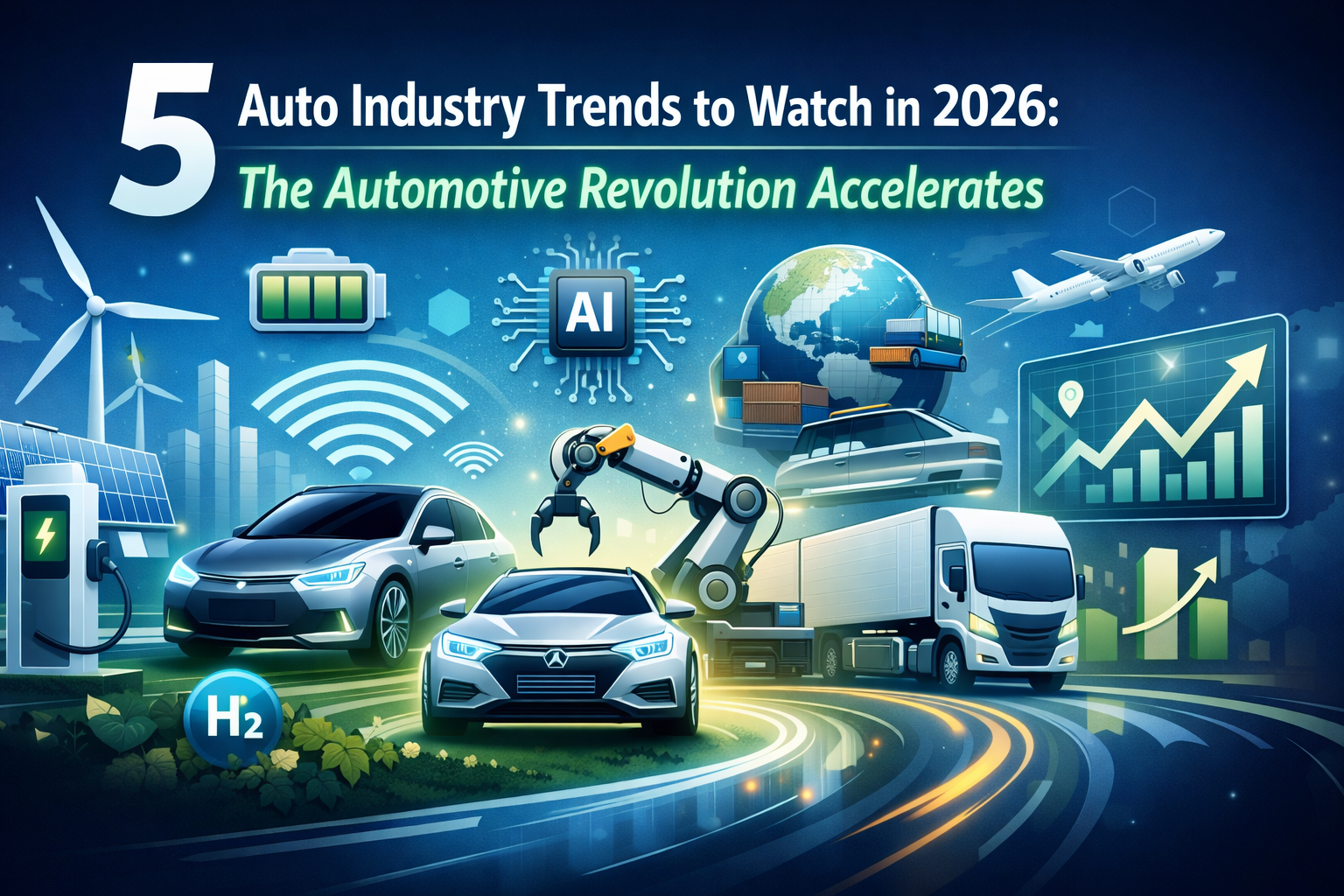
The automotive industry enters 2026 at a critical juncture, where technological disruption, economic pressures, and evolving consumer preferences converge to reshape the future of mobility. Heading into the new year, automakers are working to mitigate the impacts of tariffs while preparing for rapid technology advancements in the industry. The current climate has prompted some automakers to re-evaluate their mid-to-long-term product planning to meet evolving customer demand, while simultaneously working to maintain their profits.
- Trend 1: The Hybrid Revolution Takes Center Stage
- The Market Momentum Shift
- Consumer Drivers Behind Hybrid Adoption
- Manufacturer Response and Strategy Shifts
- Global Market Dynamics
- Trend 2: Software Defined Vehicles and Digital Transformation
- The Software Revolution in Automotive
- Connected Services and Revenue Models
- Consumer Experience Enhancement Through Digital Innovation
- Artificial Intelligence Integration
- Infrastructure and Technical Evolution
- Trend 3: Supply Chain Semiconductor Crisis and Manufacturing Disruptions
- The Looming DRAM Shortage
- Strategic Response and Mitigation Strategies
- Regional Manufacturing Shifts
- Advanced Materials and Manufacturing Innovation
- Trend 4: Trade Wars, Tariffs, and Global Market Realignment
- The New Trade Landscape
- Impact on Vehicle Pricing and Consumer Markets
- Global Production Strategy Shifts
- Emerging Market Opportunities
- Trend 5: Electric Vehicle Market Evolution and Battery Technology Advancement
- The Reality of EV Adoption in 2026
- Regional Variations in EV Adoption
- Battery Technology Breakthroughs
- Consumer Concerns and Market Barriers
- Charging Infrastructure Development
- Strategic Implications for Industry Stakeholders
- Technological Innovation and Future Mobility
- Autonomous Driving Progress
- Advanced Driver Assistance Systems (ADAS)
- Cybersecurity Imperatives
- Sustainable Manufacturing and Circular Economy
- Consumer Behavior and Market Dynamics
- Affordability Challenges
- Changing Ownership Models
- Digital Retail Transformation
- Regional Market Variations
- Future Outlook and Strategic Recommendations
- Short Term Priorities for 2026
- Medium Term Strategic Imperatives
- Long Term Vision for 2030 and Beyond
- Risk Management and Contingency Planning
- Navigating the Automotive Revolution of 2026
With automakers facing new tariffs, supply chain disruptions, regulatory changes, shrinking profits and a cloudy EV market, 2026 could see a significant shift in the automotive landscape for both OEMs and dealers. This comprehensive analysis explores the five most significant trends that will define automotive success in 2026 and beyond, providing strategic insights for industry stakeholders navigating this transformative period.
The year 2026 marks a pivotal moment where traditional automotive paradigms give way to innovative business models, advanced technologies, and sustainable solutions. From the resurgence of hybrid vehicles to the semiconductor crisis threatening production lines, from revolutionary software defined vehicles to evolving consumer behaviors, the industry faces both unprecedented challenges and remarkable opportunities.
Trend 1: The Hybrid Revolution Takes Center Stage
The Market Momentum Shift
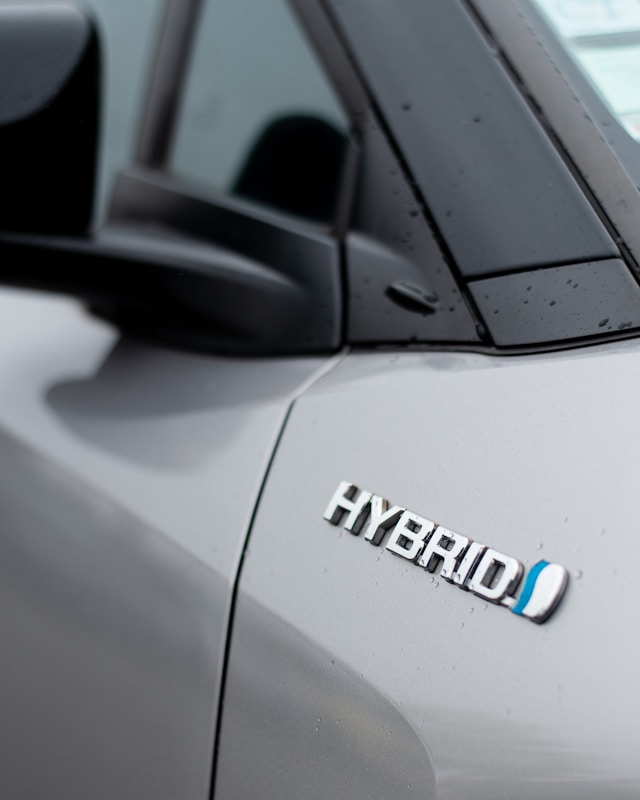
The automotive electrification narrative is experiencing a fundamental recalibration in 2026. The single most significant market force reshaping automotive marketing for 2026 is the profound course correction in the push toward electrification. A once-unwavering narrative of an all-electric future is now giving way to a more pragmatic, consumer-driven reality.
Evidence from the first quarter of 2025 demonstrates a marked slowdown in the growth of new retail electric vehicle (EV) registrations, which settled at 7.8%, a slight decline from the 7.9% recorded a year prior. In stark contrast, hybrid vehicle registrations surged to 13.6% in the same period, continuing a strong upward trajectory from 11.3% in 2024 and 8.8% in 2023. By the end of 2024, hybrids accounted for approximately 60% of all electrified vehicle sales in the U.S., a testament to their overwhelming popularity.
Consumer Drivers Behind Hybrid Adoption
In the first quarter of this year, about 22% of light-duty vehicles sold in the United States were hybrids or plug-in hybrids, up from about 18% in the first quarter of 2024, according to the U.S. Energy Information Administration (EIA). People may not be flocking to EVs, but they are opting for battery-powered options over fully gas-driven cars.
The hybrid vehicle segment demonstrates remarkable growth potential. Hybrid vehicles are expected to account for 34% of all passenger vehicles sold by 2034, with sales predicted to climb to over 3 million units in the U.S. this year, according to EY’s data. The market is expected to register a CAGR of 7.1% during the forecast period of 2024-2032.
Consumer preferences are clearly shifting toward practical electrification solutions. Another key trend to watch in 2026 is hybrid vehicles experts believe consumers are likely to check their range anxiety with hybrids, and Gartner is forecasting that PHEV sales will rise by 32 percent in 2026. The results of a survey conducted by CDK Global support this forecast, showing a significant drop in North American consumer interest for EVs. Among those currently driving gas-powered vehicles, only 11 percent reported an interest in purchasing a pure EV. That’s down 20 percent from last year’s survey. The percentage of hybrid owners interested in purchasing a fully electric vehicle for their next ride also dropped from 54 percent in the 2024 survey to 35 percent in the latest version.
Manufacturer Response and Strategy Shifts
Automakers are rapidly pivoting their strategies to capitalize on hybrid demand. In December, the automaker announced a major shift in its electrification plans to focus on extended-range hybrid vehicles, more affordable and smaller electric vehicles, and new truck models powered by efficient internal combustion engines by 2030. “This is a customer-driven shift to create a stronger, more resilient and more profitable Ford,” said Jim Farley, Ford’s president and CEO, in a statement last month. “The operating reality has changed, and we are redeploying capital into higher-return growth opportunities.”
Toyota states the 2026 RAV4 will be sold exclusively as a hybrid, echoing the 2025 hybrid-only Camry strategy. Toyota pledges a hybrid-only lineup for core models beginning with the 2026 RAV4, while Ford publicly commits to extending hybrid availability well into the 2030s.
The automaker just announced that January 2026 was its best-ever sales result for the first month of the year, with deliveries rising 2 percent year over year. The automaker’s best-ever start to the year was achieved largely on the backs of the Palisade, Santa Fe, and Kona. The company’s best-ever January sales were bolstered largely by big demand for its hybrid offerings.
Global Market Dynamics
The hybrid revolution extends beyond North America. The data is even more impressive in Europe. Hybrids are the most popular type of new vehicle in that market now, accounting for 35% of the market. Together with PHEVs, they have eclipsed the sales of solely gas- or diesel-engine vehicles. And in China, despite its significant EV leadership, hybrid sales are picking up as buyers outside of cities face some of the same charging challenges as anyone else.
South Korea’s Hyundai Motor Co and affiliate Kia Corp aim to grow their combined global vehicle sales by 3.2% to 7.51 million vehicles in 2026, after narrowly missing their sales targets in 2025. The automakers, which together rank third in global vehicle sales, sold combined 7.27 million vehicles in 2025, up 0.6% from 2024 as U.S. hybrid vehicle sales offset sluggish EV demand following the end of subsidies last September. Hyundai, which generates about 40% of its revenue from the U.S. market, has benefited from growing demand for hybrid vehicles.
Trend 2: Software Defined Vehicles and Digital Transformation
The Software Revolution in Automotive
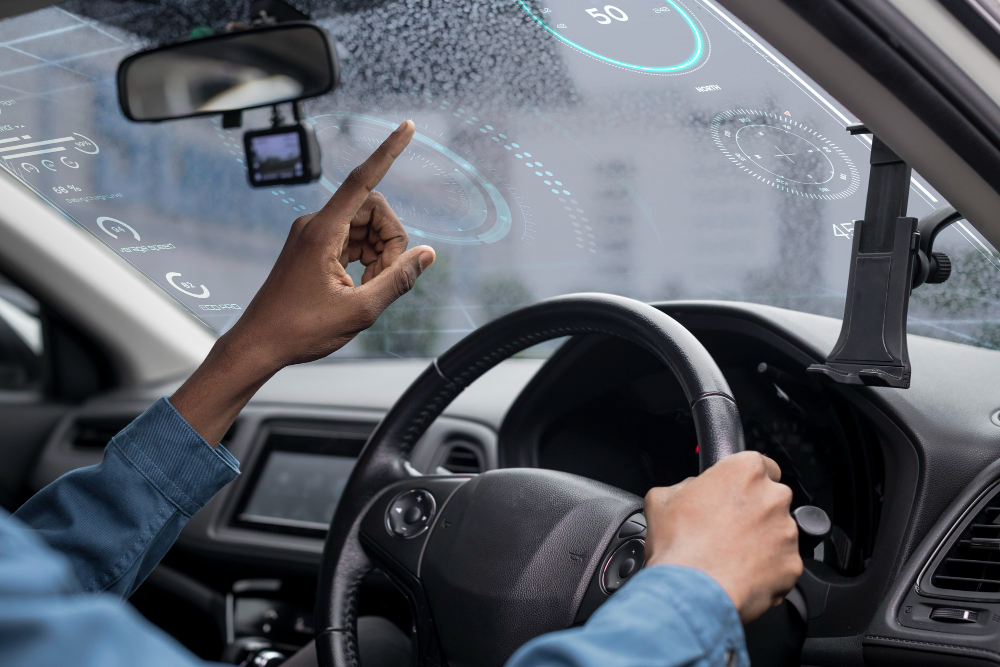
The automotive industry is experiencing a fundamental shift from hardware-centric to software-defined architectures. Vehicles are quickly becoming software platforms on wheels. Brands like Mercedes (MB.OS) and GM (formerly Ultifi) are shifting to centralized computing systems that allow over-the-air (OTA) updates, faster innovation, and digital tr
This transformation represents more than incremental improvement. Software defined vehicles enable manufacturers to continuously enhance vehicle capabilities, introduce new features, and respond to consumer needs long after the initial sale. The shift fundamentally changes the automotive value proposition from a one-time transaction to an ongoing relationship between manufacturer and consumer.
Connected Services and Revenue Models
Winners will be those with clear connected vehicle services strategies, effective trial models to drive consumer uptake and the ability to sustain rapid innovation whether built in-house or enabled through strategic partnerships with technology players. These developments are redefining automotive market trends in connected vehicle services.
The digital transformation extends to new business models. Flexible future car ownership model options such as monthly car subscriptions that include insurance and maintenance are growing fast, especially among urban EV users. However, consumers are pushing back against “paywall” features like heated seats or basic functions sold as add-ons. The message is clear: people are happy to pay for new, useful software features, but not to unlock things already built into the car. Automakers should focus on services that genuinely add value, not create frustration.
Consumer Experience Enhancement Through Digital Innovation
Insights from the 2026 study reveal that emergency assistance, automatic detection, and anti-theft tracking draw the strongest willingness to pay, whereas data from synced devices, in-cabin cameras, and vehicle location raise the most concern, highlighting the need for greater trust and transparency in connected services. Across markets, respondents are most willing to pay for safety and security features, especially emergency assistance, automatic detection, and anti-theft tracking, indicating a clear preference for these over convenience-oriented options. Voice command support in local languages is crucial for respondents in Asia-Pacific markets, such as China, India, Japan, South Korea, and Southeast Asia. However, interest is much lower in Western countries, including the United States, the United Kingdom, and Germany, indicating a clear regional difference in digital experience expectations.
Artificial Intelligence Integration
AI-driven systems can analyze this data to perform predictive analytics and lead scoring. By assigning a score to each lead based on their likelihood to convert, the AI can prioritize high-value prospects, allowing the sales team to focus their efforts on those most likely to purchase a vehicle. This automation directly addresses a significant industry problem: the average dealer response time of 9.2 hours, which is far too slow given that buyers often make a decision within 48-72 hours of initial contact. AI should act as a trusted guide throughout the entire customer journey, online and in the dealership, by delivering personalized, confidence-building interactions. This includes tailored vehicle recommendations based on browsing history, proactive service reminders informed by vehicle telemetry, and customized financing options aligned with individual profiles.
The AI in Automotive industry in 2026 is evolving as AI, autonomous technologies, and software-defined vehicles reshape global mobility systems. This AI in Automotive Market Report examines the trends and technologies driving vehicle intelligence, operational efficiency, safety advancement, and data-driven mobility innovation.
Infrastructure and Technical Evolution
The transition to software defined vehicles requires significant infrastructure investment and technical capabilities. Manufacturers must develop robust over-the-air update systems, secure cloud platforms, and sophisticated data analytics capabilities. This shift demands new partnerships with technology companies, recruitment of software talent, and fundamental changes to organizational structures traditionally focused on mechanical engineering.
Trend 3: Supply Chain Semiconductor Crisis and Manufacturing Disruptions
The Looming DRAM Shortage
A dynamic random-access memory (DRAM) shortage is looming in 2026 as AI data-center demand overwhelms supply, pushing chipmakers to prioritize higher-margin customers over automakers, leading to automotive supply chain challenges. This automotive semiconductor shortage could cause automotive-grade DRAM prices to spike 70 to 100%, triggering panic buying and production disruptions across the industry. With legacy memory chips set to be phased out by 2028, automakers face a narrowing window to redesign systems and lock in supply making agile sourcing strategies and deep supplier partnerships no longer optional, but critical.
The semiconductor crisis represents a fundamental vulnerability in modern automotive manufacturing. Unlike the 2021 shortage that primarily affected basic chips, the current DRAM shortage threatens the most advanced vehicle systems, including infotainment, advanced driver assistance systems, and autonomous driving capabilities.
Strategic Response and Mitigation Strategies
Automakers are implementing comprehensive strategies to address supply chain vulnerabilities. These include diversifying supplier bases, investing in direct relationships with semiconductor manufacturers, and redesigning vehicle architectures to reduce dependency on specific chip types. Some manufacturers are exploring vertical integration, investing directly in semiconductor production capabilities to ensure supply security.
OEMs and suppliers must navigate trade shifts, invest in digital and material innovation and mitigate automotive supply chain challenges particularly in semiconductor shortage and rare earths sourcing. Those who pair electrification ambitions with flexible, targeted strategies as Toyota has are best positioned to outperform in an increasingly volatile market.
Regional Manufacturing Shifts
The semiconductor shortage is accelerating regional manufacturing realignments. U.S. auto market is entering a software-first, policy-driven decade where car manufacturing, automotive supply chain transformation, and revenue models look as different as the vehicles themselves. Below is a practitioner’s guide to the future automotive trends in the U.S. 2026 and beyond rooted in policy, proof points, and what they mean for your roadmap.
Supply Chain Diversification: Automakers are shifting production to Mexico, South Korea, and domestic facilities to avoid tariffs. Component Shortages: Chips, sensors, and battery materials are still vulnerable to global disruptions. Higher Prices: Vehicles with Chinese components may cost more, even if assembled elsewhere. Limited Availability: Some models may be delayed or discontinued due to sourcing challenges. Brand Strategy Shifts: Expect more “Made in America” marketing and fewer Chinese imports.
Advanced Materials and Manufacturing Innovation
Beyond semiconductors, the industry is revolutionizing manufacturing through advanced materials and production techniques. Chassis technology is undergoing a quiet but consequential shift, as by-wire systems steer-by-wire and brake-by-wire controlled electronically gain ground in premium vehicles such as the Tesla Cybertruck and Mercedes-Benz EQS. Electro-mechanical brakes are slated to debut in North America and China in 2026, with wider adoption expected by 2028. Although established suppliers still dominate, Chinese competitors are rapidly closing the gap, particularly in Europe. At the same time, materials innovation is reshaping vehicle design, pushing the industry toward lighter, safer and more sustainable platforms.
Trend 4: Trade Wars, Tariffs, and Global Market Realignment
The New Trade Landscape
Automakers manage a complex network of established Tier 1 suppliers outside of the U.S., including in Mexico and Canada, and it typically takes three to five years to launch a new vehicle. Additionally the Trump administration’s frequently changing tariffs have only complicated industrial assessments, as long-term tariff policy remains unclear. Ryan Robinson, automotive research leader at Deloitte, told WardsAuto tariff-related questions are now morphing into a larger conversation about what the United States-Mexico-Canada Agreement will look like going forward. He said that OEMs have so far been able to absorb a majority of the tariffs last year, but whether automakers will be able to do so in 2026 and beyond remains unclear.
The trade policy landscape in 2026 creates unprecedented complexity for automotive manufacturers. Trade tensions between the U.S. and China are reshaping the auto landscape. In 2026, tariffs on Chinese made vehicles and components are influencing everything from pricing to supply chain strategy. 25% Tariffs: These apply to certain EVs, batteries, and electronics sourced from China.
Impact on Vehicle Pricing and Consumer Markets
For one, tariffs began to weigh on profits while the average cost of a new vehicle reached a record high of over $50,000 in September. The tariff environment directly impacts consumer affordability and purchasing decisions.
Consumers in the U.S. are approaching auto purchases with increased caution due to the current economic climate. Key factors influencing their behavior include elevated inflation, high interest rates, and rising vehicle prices, conditions exacerbated by new tariffs and ongoing economic uncertainty. These pressures have led to widespread concerns about affordability, with 68% of consumers worried they will overpay for their next vehicle and 72% expecting tariffs to make vehicles less affordable. As a result, many are delaying purchases, especially if a new vehicle is not an immediate necessity, and are extending the life of their current vehicles, which now average over 12 years of use.
Global Production Strategy Shifts
Manufacturers are fundamentally restructuring their global production networks in response to trade tensions. In September, Hyundai Motor said it aimed to produce more than 80% of the vehicles it sells in the U.S. in America by 2030 due to U.S. tariff policies.
With the easing of emission regulations and the rapidly shifting trade policies put in place by the Trump Administration, OEMs must now choose between complex regional compliance or the weight of new tariffs that could erase their profits.
Emerging Market Opportunities
While traditional markets face disruption, emerging markets present new opportunities. The country’s auto producers have aggressively tapped export markets as demand at home softens. In the first three quarters of 2025, Chinese companies sold nearly 1 million EVs overseas, a 54% increase from 2024. Automakers have plans to continue to expand overseas sales in 2026.
Trend 5: Electric Vehicle Market Evolution and Battery Technology Advancement
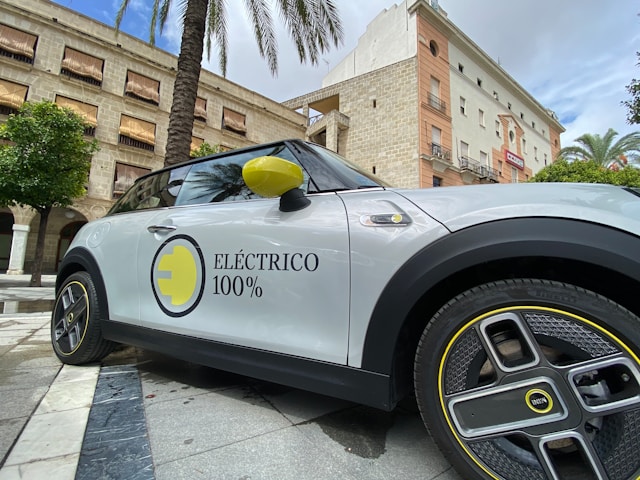
The Reality of EV Adoption in 2026
The electric vehicle market enters 2026 with tempered expectations but continued fundamental growth. Looking ahead, EV Volumes are expected to rise to nearly 90 million units globally by 2040, accounting for 27.5% of sales in 2026, 43.2% by 2030, and over 83% by 2040.
The latest EV Volumes forecast shows global electrification entering a more measured but resilient phase, shaped by policy shifts, trade uncertainty, and technological evolution. Global EV sales increased 25% in 2024 to 17.8 million units, lifting the EV share of the light-vehicle market to 19.9%. Growth was driven by strong momentum in China and accelerating PHEV adoption, while Europe and Northern America saw more moderate expansion. For 2025, EV Volumes forecasts 23.7 million EV sales and a 25.5% market share, supported by resilient demand in China and non-Triad markets, alongside a stabilising outlook in Europe despite ongoing economic and political headwinds.
Regional Variations in EV Adoption
The United States faces particular challenges in EV adoption. New-vehicle retail sales for January 2026 are projected to reach 908,500, a 3.7% decrease from the same month last year. The SAAR for retail new-vehicle sales is expected to be 12.7 million units, down 0.5 million units from January 2025. It is projected that EV sales will account for just 6.6% of new retail sales in January.
The US alternative powertrain sector is entering the new year with performance that closely mirrors late 2025, as electric vehicle share holds steady and hybrid demand continues to climb. Early January data shows EV and PHEV penetration running nearly four percentage points below year-ago levels, with ICE vehicles and traditional hybrids absorbing the gains.
In contrast, other regions show stronger momentum. China’s Dominance Continues: Already ahead of targets, China’s EVs will exceed 51% of sales in 2025, supported by competitive pricing and incentives. By 2030, EVs are forecast to account for 73.8% of light-vehicle sales, reaching 89.3% by 2035. Europe’s Regulatory Push: Strict CO₂ targets and new models will drive EVs to capture 25% of light-vehicle sales in 2025, climbing to 30.6% in 2026 and nearly 63% by 2030.
Battery Technology Breakthroughs
Battery innovation remains central to EV market development. Battery demand is forecast to exceed 1 TWh in 2025 and reach 6 TWh by 2040, driven by wider electrification and improving battery efficiency, which is enabling the rollout of smaller, more affordable EVs.
The analysis reveals economics is now overtaking policy incentives as the core accelerant of EV sales, with falling battery costs leading the shift. RMI expects battery costs to halve this decade, from $151 per kilowatt hour (kWh) to between $60 and 90 per kWh. By 2030, falling costs will, for the first time, make EVs as cheap or cheaper to both buy and run as petrol cars in every market globally.
Consumer Concerns and Market Barriers
Despite technological progress, consumer concerns persist. Data from the 2026 study indicates that demand for battery electric vehicles remains steady but cautious, while the appeal of hybrids continues to strengthen as consumers balance affordability, charging access, and everyday practicality. Respondents in some global markets continue to steer away from all-battery electric vehicles in favor of internal combustion engines and hybrids, which could be due, in part, to lingering affordability concerns.
Charging Infrastructure Development
Infrastructure development remains critical for EV adoption. Charging Infrastructure: Federal and state investments are expanding fast-charging networks, making EV ownership more practical nationwide. However, charging accessibility continues to challenge widespread adoption, particularly in rural areas and developing markets.
The global EV share of the light-vehicle market is projected to grow to 24% in 2025 and 26.7% in 2026. In the following years, this is predicted to rise to 42% in 2030, before hitting 64.1% in 2035, and 83% in 2040. However, budget pressures and policy shifts may threaten investment in incentives and charging infrastructure.
Strategic Implications for Industry Stakeholders
For Manufacturers
The convergence of these five trends demands comprehensive strategic adaptation from automotive manufacturers. Success requires balancing investment across multiple powertrain technologies while maintaining profitability in an uncertain market environment. Toyota’s focus on hybrids and next-generation batteries has delivered industry-leading EBIT (earnings before interest and taxes) margins, outpacing competitors. By balancing investments across hybrids, BEVs and software-defined vehicles rather than chasing BEVs alone Toyota underscores the power of agility and diversification, proving that targeted, strategic innovation remains crucial in navigating volatile automotive market trends. Those who pair electrification ambitions with flexible, targeted strategies as Toyota has are best positioned to outperform in an increasingly volatile market.
Manufacturers must develop capabilities across software development, supply chain management, and regional production optimization. The traditional automotive business model, centered on one-time vehicle sales, must evolve toward ongoing customer relationships enabled by software updates and connected services.
For Suppliers
Automotive suppliers face both disruption and opportunity in 2026. Traditional component suppliers must adapt to electrification trends while developing new capabilities in software, electronics, and battery technologies. The semiconductor crisis creates opportunities for suppliers who can ensure reliable chip supply, while the shift to software defined vehicles demands new competencies in software development and system integration.
For Dealers
Over the years, attention on the fixed ops department has come and gone. But when front-end margins tighten, service and parts move back to the center of the conversation. And that’s clearly happening again as we settle into 2026. The 2026 NADA agenda includes dozens of sessions focused on fixed ops fundamentals, like service retention, recon speed, technician productivity, and throughput. As new- and used-vehicle gross profits face pressure, fixed ops remains one of the most controllable profit centers inside the dealership.
Dealers must adapt their business models to accommodate changing consumer preferences, including increased demand for hybrids, evolving financing needs, and expectations for digital retail experiences. On the retail side, dealers must also adapt to changing trends as more consumers expect an omnichannel buying experience, technology implementation increases and dealership consolidation continues in full force. Car shoppers are also expecting more from their vehicles, including infotainment, connectivity and software that can be regularly updated over the air
For Policymakers
Government policies significantly influence automotive market dynamics. Funding for Canada’s iZEV programme ran out in January 2025, with BEV uptake falling and no replacement scheme announced. In response to economic and trade pressures, the Canadian federal government also paused the 2026 Electric Vehicle Availability Standard. This mandated that 20% of new light-duty vehicle sales be zero-emission. The government initiated a 60-day review to assess and potentially adjust future targets.
Policymakers must balance environmental objectives with economic realities, considering the impact of regulations on domestic manufacturing, employment, and consumer affordability. The success of automotive electrification depends significantly on supportive policy frameworks that incentivize adoption while maintaining market competitiveness.
For Investors
The automotive sector presents complex investment opportunities in 2026. Gartner expects the number of electric vehicles in use to grow 30% in 2026, reaching 116 million units worldwide. Plug-in hybrid vehicles are also forecast to increase by 32%. China remains the engine of this transition.
Investment strategies must account for the varying pace of electrification across regions, the resurgence of hybrid technologies, and the critical importance of software capabilities. Companies with diversified powertrain strategies, strong software development capabilities, and resilient supply chains present the most attractive investment opportunities.
Technological Innovation and Future Mobility
Autonomous Driving Progress
Over the next few years, expect autonomy to focus on specific conditions and routes airport corridors, freight lanes, and urban zones rather than nationwide coverage. States are also refining rules for how autonomous vehicles are tested, approved, and insured.
Autonomous vehicle development continues but with more realistic expectations and targeted applications rather than widespread deployment. The focus has shifted from full autonomy to practical applications that can deliver immediate value while building toward longer-term autonomous capabilities.
Advanced Driver Assistance Systems (ADAS)
They include electric vehicles, autonomous driving, ADAS, connected cars & more. Sensor fusion and autonomous vehicle technologies enhance safety and enable intelligent driving solutions while ADAS bridges the gap to full autonomy.
ADAS technologies represent the most immediate path to enhanced vehicle safety and semi-autonomous capabilities. These systems, including adaptive cruise control, lane-keeping assistance, and automatic emergency braking, are becoming standard features across vehicle segments, driven by both consumer demand and regulatory requirements.
Cybersecurity Imperatives
Automotive cybersecurity is no longer optional, it’s now a requirement built into vehicle approval itself. Global regulations like UNECE R155/R156 and standards such as ISO/SAE 21434 set the benchmark for how automakers must secure vehicle software, data, and connected mobility ecosystems in 2026. With U.S. vehicle technology innovations, 5G connectivity, and over-the-air updates, the risk surface keeps expanding. In the U.S., companies are following suit with strict internal standards, third-party audits, and tighter supplier security checks to make sure every digital component is safe before it hits the road.
As vehicles become increasingly connected and software-dependent, cybersecurity emerges as a critical concern. Manufacturers must implement comprehensive security strategies covering vehicle systems, data protection, and privacy concerns while maintaining functionality and user experience.
Sustainable Manufacturing and Circular Economy
Circularity is no longer a CSR slide; it’s a production constraint and a cost hedge. European leaders have shown how to industrialize refurb, reuse and closed-loop materials (e.g., Renault’s Refactory), while U.S. programs increasingly measure carbon per vehicle, not just cost per unit. Digital twins and no-fossil operations (e.g., BMW’s new sites) are becoming the planning baseline. The business case is straightforward: lower input volatility, regulatory headroom, and measurable Scope 3 reductions.
Sustainability extends beyond vehicle electrification to encompass entire manufacturing processes and vehicle lifecycles. Circular economy principles, including battery recycling, material reuse, and sustainable production methods, become competitive differentiators and regulatory requirements.
Consumer Behavior and Market Dynamics
Affordability Challenges
In August 2025, the average new-vehicle transaction price (ATP) was $49,077, and the average manufacturer’s suggested retail price (MSRP) was $51,099. The upward trend is being driven by the growing popularity of high-end vehicles, particularly full-size pickups with new powertrain options.
Vehicle affordability remains a critical challenge in 2026. In 2026, car prices are continuing their upward trajectory, albeit more subtly than in previous years. While the average MSRP increase is modest around 1.4% for base models the cumulative effect across the market is significant.
Changing Ownership Models
The traditional vehicle ownership model faces disruption from alternative approaches. Subscription services, car-sharing platforms, and flexible lease arrangements gain traction, particularly among younger urban consumers. These models align with shifting consumer preferences for flexibility and reduced long-term commitments.
Digital Retail Transformation
The automotive retail experience continues its digital transformation. Consumers increasingly expect seamless online-to-offline experiences, with digital tools for research, configuration, financing, and even delivery. Dealers who successfully integrate digital capabilities with traditional showroom experiences gain competitive advantages.
Regional Market Variations
Market dynamics vary significantly across regions. Northern America continues to lag the global adoption curve, while China remains the key growth engine. Understanding regional preferences, regulatory environments, and infrastructure development remains critical for global automotive strategies.
Future Outlook and Strategic Recommendations
Short Term Priorities for 2026
In the immediate term, industry stakeholders must focus on several critical priorities. First, developing flexible powertrain strategies that can adapt to changing consumer preferences and regulatory requirements. Second, securing semiconductor supply chains through diversified sourcing and strategic partnerships. Third, accelerating software development capabilities to remain competitive in the software defined vehicle era.
This year, digital transformation is no longer a buzzword, it’s table stakes. From AI agents that handle service requests before a customer even reaches your dealership, to supply chain networks that give you real-time visibility of part shortages, the companies who thrive are the ones who turn business complexity int
Medium Term Strategic Imperatives
Looking toward 2027-2030, the industry must prepare for accelerated electrification while maintaining profitable operations. This requires continued investment in battery technology, charging infrastructure, and sustainable manufacturing processes. Companies must also develop new business models that capitalize on software and services revenue opportunities.
Long Term Vision for 2030 and Beyond
The automotive industry of 2030 will look fundamentally different from today. Global EV sales are on track to meet or outpace even the most ambitious net-zero timelines and could account for more than two-thirds of market share by 2030, following exponential growth trends, according to new analysis by RMI in partnership with the Bezos Earth Fund. Combustion car sales peaked in 2017, and by the middle of the decade more will be scrapped than sold, meaning the overall fleet of combustion cars is about to peak and will be in freefall by 2030, the RMI research shows.
Success requires understanding that the transition will not be linear or uniform across markets. Companies that maintain flexibility, invest strategically in key technologies, and build resilient operations will emerge as industry leaders.
Risk Management and Contingency Planning
The volatile environment demands robust risk management strategies. Companies must prepare for multiple scenarios, including varying rates of EV adoption, potential supply chain disruptions, changing trade policies, and evolving consumer preferences. Building organizational resilience through diversified strategies and strong partnerships becomes essential for long-term success.
Navigating the Automotive Revolution of 2026
The automotive industry in 2026 stands at an unprecedented inflection point where traditional paradigms collide with transformative innovations. The five key trends analyzed hybrid vehicle resurgence, software defined vehicles, supply chain challenges, trade realignments, and evolving electrification create both complexity and opportunity for industry stakeholders.
The 2026 automotive marketing landscape is poised for a significant transformation, moving beyond a singular, technology-driven narrative toward a more pragmatic, consumer-centric paradigm. This shift is characterized by a delicate balance: leveraging cutting-edge digital intelligence to meet customers where they are, while simultaneously building authentic, emotional connections to combat digital fatigue. The market is not undergoing a radical transformation but rather a course correction, guided by evolving consumer preferences, a cautious economic climate, and an increasingly complex regulatory environment. The strategic imperative for OEMs in 2026 is to embrace this duality, balancing traditional with digital, physical with virtual, and brand-level messaging with local, dealer-specific communications.
Success in this environment requires more than technological innovation or financial resources. It demands strategic agility, deep market understanding, and the ability to balance competing priorities across electrification, digitalization, and traditional automotive excellence. Companies must navigate trade tensions, supply chain vulnerabilities, and shifting consumer preferences while maintaining profitability and preparing for an electric future.
The automotive industry outlook 2026 will reward agility and strategic foresight. OEMs and suppliers must navigate trade shifts, invest in digital and material innovation and mitigate automotive supply chain challenges particularly in semiconductor shortage and rare earths sourcing. These key automotive industry trends will define the strategic priorities of OEMs and suppliers in the coming year.
The winners in 2026 and beyond will be those who embrace complexity rather than seeking simplicity, who build flexibility into their strategies rather than committing to single paths, and who understand that the automotive revolution is not about choosing between old and new, but about intelligently integrating both to create value for consumers, shareholders, and society.
As we progress through 2026, the automotive industry continues its transformation from a manufacturing-centric sector to a mobility ecosystem encompassing software, services, and sustainable solutions. The journey ahead promises continued disruption, remarkable innovation, and unprecedented opportunities for those prepared to adapt and lead in this new automotive era.