


International travel in 2026 presents both exciting opportunities and new challenges that every traveler must understand before departing. The face of global travel is rapidly changing. In 2026, new travel requirements, visa regulations and electronic entry systems will take effect, significantly altering the way tourists navigate international destinations.
- New International Entry Requirements for 2026
- The UK Electronic Travel Authorization (ETA)
- Europe’s Entry/Exit System (EES) and ETIAS
- The Shift to Digital Border Systems
- Passport Requirements and Validity Rules
- REAL ID Requirements for U.S. Domestic Travel
- Country-Specific Entry Changes for 2026
- Schengen Area Countries
- Iceland and Other Travel Fee Changes
- China Visa-Free Extension
- Other Emerging Entry Policies
- Travel Insurance: Essential Protection for International Trips
- Why Travel Insurance Matters in 2026
- When Travel Insurance Is Essential
- Cost of International Travel Insurance
- Top Travel Insurance Providers for 2026
- Recommended Coverage Levels
- When to Buy Travel Insurance
- Health Preparation and Vaccinations
- Planning Ahead for Travel Health
- Required and Recommended Vaccines
- Current Health Alerts
- Protecting Against Mosquito-Borne Diseases
- Packing a Medical Kit
- Managing Money Abroad: Credit Cards and Currency
- Using Credit Cards Internationally
- Avoid Dynamic Currency Conversion
- Top Travel Credit Cards for 2026
- ATM Usage Abroad
- Tips for Managing Money Abroad
- Travel Safety Tips for 2026
- Airline Changes and Airport Updates for 2026
- Preparing for Potential Delays at Borders
- Essential Pre-Departure Checklist
- Understanding Travel Restrictions and Advisories
- Travel Prepared, Travel Confidently
Whether you are planning a dream vacation, a business trip, or a family adventure abroad, proper preparation can mean the difference between a smooth journey and one filled with unexpected complications. In 2026, business travelers will face stricter enforcement of identification rules, evolving airline policies, and new international entry requirements that make advance preparation more critical than ever. Understanding changes like REAL ID penalties, airline loyalty program shifts, and Europe’s new digital authorization systems can help travelers avoid delays, unexpected fees, and lost benefits.
This comprehensive guide covers everything you need to know before traveling abroad in 2026, from passport requirements and visa regulations to travel insurance, health precautions, and financial planning. By following this essential checklist, you will be fully prepared for your international adventure.
New International Entry Requirements for 2026
The UK Electronic Travel Authorization (ETA)
Beginning February 25, visitors from 85 countries, including the U.S., who don’t require a visa will need to register through the Electronic Travel Authorization (ETA) program. Modeled after the U.S.’s Electronic System for Travel Authorization (ESTA) system, the ETA allows UK authorities to screen visitors before arrival to reduce security risks and streamline border entry.
The ETA is not a visa and doesn’t replace existing visa requirements. U.S. citizens planning to travel to the UK can apply for an ETA online or the ETA app. A United Kingdom ETA costs £16, or approximately $21. Once approved, the ETA is valid for six months.
Europe’s Entry/Exit System (EES) and ETIAS
The European Union (EU) Entry/Exit System (EES) is a new automated digital system that was rolled out in October 2025. The new mechanism is still in its early phases, however, it is expected to be completely integrated by 10 April 2026.
Europe is rolling out its Entry/Exit System (EES), which replaces passport stamping with biometric screening, including facial recognition and fingerprinting. While no traveler action is required for EES, early reports suggest delays at some border crossings as infrastructure comes online.
Although no exact date has yet been announced, 30 European countries will start to enforce the European Union’s European Travel Information and Authorisation System (ETIAS) in late 2026. This new authorization process will require people from over 60 visa-exempt countries, including U.S. citizens, to have travel authorization when entering 30 European countries. Similar to the UK’s ETA program, the ETIAS does not replace existing visa requirements but aims to improve security in Europe’s Schengen Area.
Travelers who are granted ETIAS travel authorization can enjoy multiple entries to the participating countries for short-term stays, typically up to 90 days across a 180-day period. The ETIAS is valid for up to three years, and a new ETIAS travel authorization is required if a passport expires.
The Shift to Digital Border Systems
In 2026, the major international travel changes centre on digital, biometric and security-focused measures, alongside a raft of new tourist fees and levies. Largely set to impact travellers visiting Europe and the UK, these new travel requirements are designed to combat over-tourism, increase security and modernise existing systems.
The year 2026 will clearly continue this trend. Many countries will finalize or expand their digital systems, standardize online procedures, and gradually replace paper with electronic forms. For travelers, this does not necessarily mean more constraints, but it does reflect a new reality: travel formalities are increasingly handled before departure, screen in hand, well ahead of passport control. From the Americas to Asia, via Europe and the Middle East, here is a look at the main destinations that will change, or simplify, their entry rules in 2026.
Passport Requirements and Validity Rules
The Six-Month Passport Rule
Your passport must be valid for at least six months beyond your intended arrival or departure date from the country you are visiting.
There are 90 countries that do not require six months of passport validity: 36 require three months, while the remaining 54 have specific regulations that may be more or less strict than the six-month rule. Most of the European countries in the Schengen zone require three months of validity after your intended departure date.
Many countries require six months of validity beyond your travel dates, and border agents enforce this strictly at the start of the new year. A passport that was acceptable in December can suddenly be unusable in January simply because it crosses that six-month window.
EU Passport Requirements
If you are a national from a country outside the EU wishing to visit or travel within the EU, you will need a valid passport and possibly a visa. Your passport should be valid for at least 3 months after the date you intend to leave the EU and it must have been issued within the last 10 years. This means your travel document must have been issued within the previous 10 years the day you enter the EU on condition that it is valid until the end of your stay plus an additional 3 months.
Getting a U.S. Passport
First-time applicants must apply in person using Form DS-11 at an authorized passport acceptance facility. Renewals can often be done by mail or online if eligibility criteria are met. Processing times vary: routine service takes 8-11 weeks, expedited 2-3 weeks, and urgent travel service 24-48 hours. Passport fees include application, execution, and optional expedited processing fees. Tracking your application status online helps you stay informed throughout the entire process.
For adults, a passport book or passport card is valid for 10 years from their issuance. U.S. passports for minors under 16 are valid for 5 years.
Key Passport Checklist
Check if ETIAS or ETA are required for your destination. Confirm passport validity (6+ months recommended). Carry biometric passports when possible. Build extra time into itineraries for biometric checks and plan for extra arrivals/departures. Monitor entry and visa policy updates for your destination as they will likely continue to evolve throughout 2026.
REAL ID Requirements for U.S. Domestic Travel
Enforcement Begins in 2026
Beginning February 1, 2026, TSA will enforce Real ID requirements for domestic flights. Travelers without a Real ID–compliant license must present a passport or pay a noncompliance fee at the airport.
Beginning February 1, 2026, travelers who arrive at TSA security checkpoints without a REAL ID–compliant driver’s license—or an acceptable alternative like a passport—will face a $45 noncompliance fee. “Real ID is a federal program that allows you to use your state-approved ID in lieu of a passport for domestic travel.”
What’s especially important for frequent travelers is the 10-day limitation on that fee. The payment acts as a short-term exception, not a fix. “That $45 buys you a get-out-of-jail-free card for 10 days.”
How to Get REAL ID Compliant
Most newly issued ID cards are REAL ID-compliant, but travelers with older documents should check with their issuing state agency. If you’re not in compliance but still need to fly, you can pay a $45 “TSA ConfirmID” fee to use an alternative identity verification system at security checkpoints.
More information about REAL ID in each state is available on the Department of Homeland Security website. The paperwork required to apply varies by state but will likely include proof of identity, status as a U.S. resident or citizen, a Social Security number, and proof of a current address. Valid passports, of course, remain a legal form of identification for domestic and international travel.
Country-Specific Entry Changes for 2026
Schengen Area Countries
France will update how U.S. passport holders enter the country through new European border systems scheduled for 2026. Travelers will pass through the Entry/Exit System, which collects fingerprints and a facial image instead of relying on manual passport stamping. This process records each arrival and departure to improve tracking across the Schengen region. Later in 2026, France will require ETIAS approval for short stays. Travelers must submit basic details online before boarding, and the approval will link to the traveler’s passport. These changes improve security while keeping entry simple.
Italy will follow the same Europe-wide shift toward digital border screening in 2026. U.S. visitors will go through the Entry/Exit System when arriving at major airports or land borders. This system stores biometric details to confirm identity and verify legal stay limits within the Schengen area.
Iceland and Other Travel Fee Changes
On 1 January 2026, Iceland implemented a mandatory kilometre-based road tax for all vehicles. The fee, which includes rentals, is designed to replace part of the fuel tax system and ensure all vehicles, including electric, contribute to road maintenance. The fee for passenger cars and SUVs under 3.5 tonnes is 6.95 ISK per kilometre. Generally, the final fee is based on actual distance driven (as per the odometer); however, some rental companies may charge a flat fee.
China Visa-Free Extension
China has confirmed the extension, until December 31, 2026, of its unilateral 30-day visa-free policy for nationals of 45 countries and territories. Introduced just two years ago to support the recovery of tourism and business travel, the measure has contributed to a noticeable increase in international arrivals. Its extension reflects the ongoing recovery of tourism and economic exchanges, while maintaining a controlled framework for short stays. For eligible travelers, this continuity mainly provides clarity and simplified procedures, at a time when travel formalities are evolving rapidly elsewhere in the world.
Other Emerging Entry Policies
Several destinations are actively working on new entry policies: Georgia will require tourists to have insurance starting January 1, 2026, Senegal is considering reinstating visas on a reciprocal basis, Ghana plans to launch an e-Visa as early as the first quarter of 2026, Sri Lanka may introduce a free visa for around 40 countries by January 2026, and Mauritius is preparing an electronic travel authorization aimed at modernizing and securing its borders without discouraging tourists.
Travel Insurance: Essential Protection for International Trips
Why Travel Insurance Matters in 2026
As travel demand remains robust, the need for comprehensive coverage has shifted from a nice-to-have peace of mind to a necessity for many Americans. The 2026 rankings evaluated 45 providers to help travelers and the advisors who support them navigate a crowded marketplace.
65% of consumers now feel travel insurance is important, according to a 2025 U.S. News survey. 50% of Americans are actively investing in travel insurance, with search interest rising steadily since the pandemic.
Travel insurance in 2026 is particularly valuable for expensive international trips, nonrefundable bookings and those without international health coverage.
When Travel Insurance Is Essential
Travel protection proves most valuable for high-cost international trips and nonrefundable bookings. When travelers invest thousands in prepaid airfare, resorts or guided tours, trip cancellation coverage can protect that financial investment. Similarly, international travel without health coverage creates significant risk, as most domestic insurance plans don’t extend beyond borders. Emergency medical care abroad can be extraordinarily expensive, making accident and sickness coverage a prudent choice.
More than one-third of American travelers are planning international trips in 2025—and many are unaware that their U.S.-based health plans offer little or no coverage overseas.
Cost of International Travel Insurance
Roughly 89% of all travel insurance policies purchased on Squaremouth are for international trips. The average cost of international travel insurance is around $414, or just $25 per day. Coverage type is the single biggest factor that influences international travel insurance premiums.
As a general rule, comprehensive travel insurance typically costs 4% to 10% of a traveler’s prepaid, non-refundable trip costs.
Top Travel Insurance Providers for 2026
Best for International Travel: Travelex, Seven Corners, Allianz, and Berkshire Hathaway took top honors for overseas coverage. Most Affordable: For budget-conscious clients, Trawick International and Tin Leg were highlighted alongside Berkshire Hathaway and IMG. Best “Cancel for Any Reason” Insurance: Allianz, Travelex, and Seven Corners were recognized for superior flexibility. Best for Medical Coverage: Travelex, Seven Corners, and IMG stood out for their medical protection plans.
Travelex is the 2026 Best Travel Insurance Company, with the highest Overall Rating among the 45 companies U.S. News evaluated.
Recommended Coverage Levels
With $500,000 in Emergency Medical coverage and $500,000 in Medical Evacuation coverage per person, recommended medical coverage far exceeds minimum coverage recommendations for international travel.
We recommend looking for an annual travel insurance plan that includes at least $50,000 of Emergency Medical coverage and $100,000 of Emergency Medical Evacuation coverage. These are our recommended minimums for trips domestically and abroad.
When to Buy Travel Insurance
The ideal time to purchase is immediately after booking, especially for benefits like Cancel for Any Reason coverage.
Are you willing to pay 10-12 percent more for a “Cancel For Any Reason” policy to have total flexibility?
Health Preparation and Vaccinations

Planning Ahead for Travel Health
Make an appointment with your healthcare provider or a travel health specialist that takes place at least 4-6 weeks before you leave. They can help you get destination-specific vaccines, medicines, and information. Discussing your health concerns, itinerary, and planned activities with your provider allows them to give more specific advice and recommendations. Make sure to bring a copy of your official immunization records with you when you travel.
Seek advice around 12 weeks before you travel, as some vaccinations and tablets take a while to get into your system in order to be effective.
Required and Recommended Vaccines
International travel may increase your chances of getting and spreading diseases that are rare or not found in the US. Depending on the type of travel, location, and how long you will be visiting, specific travel vaccines and other preventive measures may be recommended to help you stay healthy on your trip. It is important to make sure you are up to date with all recommended vaccines before you travel.
Getting vaccinated is the best way to help protect international travelers from measles, influenza (flu), COVID-19, and other vaccine-preventable diseases. Depending on where you go, vaccines against diseases like chikungunya, hepatitis, Japanese encephalitis (JE), typhoid, and yellow fever may be necessary.
Measles cases are increasing globally, including in the United States. The majority of measles cases imported into the United States occur in unvaccinated U.S. residents who become infected during international travel. Measles spreads rapidly in communities that are not fully vaccinated and may pose a risk to international travelers. CDC recommends all travelers get fully vaccinated against measles before traveling to any international destination.
Current Health Alerts
Travel Health Notices include: New Chikungunya in Suriname February 05, 2026; New Chikungunya in Seychelles February 05, 2026; Clade II Monkeypox in Ghana and Liberia January 26, 2026; Global Dengue January 22, 2026; Rocky Mountain Spotted Fever in Mexico December 23, 2025; Rabies in Morocco December 23, 2025.
Protecting Against Mosquito-Borne Diseases
Dengue, Zika, and other mosquito-borne illnesses are active in parts of the Caribbean, Latin America, and Southeast Asia. Use insect repellent, cover up when needed, and stay informed via official health alert systems.
When booking your accommodation, you are more protected from mosquitoes if the property has effective air-conditioning and has mosquito screening on all doors and windows. Always close windows fully, particularly during early evening and night.
Packing a Medical Kit
Pack a Personal Medical Kit: Bring a basic kit with bandages, pain relievers, digestive remedies, and your prescription medications. Keep prescriptions in original labeled bottles and have a copy of the prescription or a doctor’s note.
Managing Money Abroad: Credit Cards and Currency
Using Credit Cards Internationally
A foreign transaction fee is a surcharge on every purchase made using a credit card in a foreign country or foreign currency. So if you have an international trip planned, a travel rewards credit card that waives foreign transaction fees can save you a lot of money (and headaches).
International credit cards will save you money with $0 foreign transaction fees and allow you to make purchases in more than 200 countries and territories. According to our research, using an international credit card abroad can also help you save 7% to 10% on foreign currency conversion, and the best credit cards for international travel have great rewards, travel insurance and other helpful perks.
Avoid Dynamic Currency Conversion
Dynamic currency conversion, or DCC, allows a merchant to give you the option to be charged in your home currency (U.S. dollars in this case) while traveling abroad. But it’s actually best to avoid this option when it pops up because you could pay a poor exchange rate and other fees for it. At the point of sale, a foreign merchant may ask if you want to be charged for an item in dollars instead of local currency to give you a better idea of what it costs. But there’s a fee that merchants tack onto your bill for the convenience of paying in dollars, and it can be as high as 7% of the transaction.
When you travel internationally, a merchant may ask if you want to be charged in U.S. dollars. Generally, you should say no. This process, known as dynamic currency conversion, usually comes with a poor exchange rate. Worse, you might still pay a foreign transaction fee if your card charges these fees. It’s generally a good idea to make your purchases in the local currency and allow your credit card company to convert your purchase to U.S. dollars. This usually results in a much better exchange rate than allowing a local merchant to make the conversion at the point of sale.
Top Travel Credit Cards for 2026
The Capital One Venture X Rewards Credit Card earned our Best Travel Card of the Year award for 2026 and it’s perfect for globetrotters who want premium benefits without a hefty price tag.
Your card network may not have coverage. American Express and Discover aren’t as widely accepted internationally as Visa and Mastercard. So if you have one of these cards, be sure to bring backup cards and cash when you travel abroad.
ATM Usage Abroad
Unless it’s a real emergency, avoid using your credit card to withdraw cash from an ATM while abroad. Doing so is known as a cash advance and will be very expensive. You’ll have to deal with an ATM-owner surcharge, plus a high credit card fee and APR. Instead, you should bring a debit card with no foreign fees in order to withdraw cash when you need it.
You may need cash if you come across merchants that don’t accept credit cards or have minimum purchase amounts for card use. Consider signing up for an account with a debit card that doesn’t charge fees on international ATM withdrawals. An example is the Fidelity Cash Management account, which earns a competitive interest rate with no annual fee and offers unlimited reimbursements on global ATM withdrawals.
Tips for Managing Money Abroad
Shop around for the best travel cards. Browse the best credit cards without foreign transaction fees to find the right match based on your style of travel, spending habits and desired perks. Apply for the no-international-fees card at least a month before your trip to make sure it’s in your wallet before you leave.
Get a backup no-international-fees card. Consider getting a backup card that also doesn’t charge international fees. Make sure you get a different type of card: For example, if a Visa is your primary card, get a Mastercard. This could save you if a merchant doesn’t accept a certain type of card or if your main card gets lost or stolen.
Travel Safety Tips for 2026
General Safety Awareness
Travel brings joy, inspiration, and unforgettable memories. Travel in 2026 is generally safer than ever before, yet unexpected challenges can still arise. From minor scams to health surprises, a little preparation goes a long way toward ensuring every moment of your trip is positive. Below are essential safety tips that blend trusted, time-tested advice with 2026-specific guidance so you can explore the world with confidence.
Stay Aware and Alert: Your first line of defense while traveling is awareness. Pay attention to your surroundings in busy areas like markets, squares, transit stations, and tourist attractions. Keeping your head up and moving with purpose not only helps you navigate well but also signals to opportunistic thieves that you are alert.
Using Official Resources
As millions of travelers begin booking trips for 2026, three leading government agencies remain the most reliable sources for up-to-date safety, health, and entry information. The UK’s Foreign, Commonwealth and Development Office (FCDO), the U.S. Centers for Disease Control and Prevention (CDC), and the U.S. Department of State provide comprehensive, evidence-based recommendations to help international travelers prepare for their trips in 2026. These free resources are essential for minimizing risks amid evolving health conditions and disease outbreaks. Furthermore, they offer unbiased guidance regarding travel vaccine options.
The U.S. State Department provides comprehensive, evidence-based recommendations through its Travel Advisories, assigning each country a risk level from 1 (exercise standard precautions) to 4 (do not travel) to guide international travelers planning trips in 2026.
Enrolling in STEP
Smart Traveler Enrollment Program (STEP) sends important messages from the U.S. embassy or consulate.
Knowing Emergency Contacts
Research the local emergency phone numbers for police, fire, and medical services.
Airline Changes and Airport Updates for 2026
New International Routes
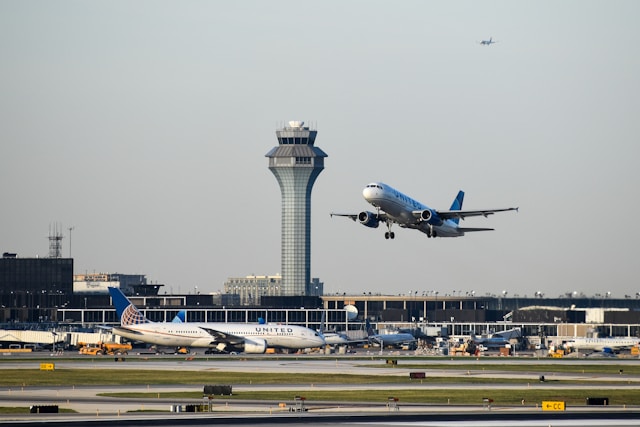
The new year also brings new international routes for many airlines. American announced new service to Budapest, Hungary; Athens, Greece; and Bimini, in the Bahamas. United Airlines says it will travel to Split, Croatia; Seoul, South Korea; and Santiago de Compostela, Spain.
American Airlines has announced it will add 15 routes in 2026 and new services from hubs such as Chicago and Phoenix. The airline unveiled its Flagship Suites business class seats in 2025 and expects to add 45 percent more premium seating in its long-haul fleet in 2026.
TSA Security Updates
As of 2025, travelers are no longer required to remove shoes at TSA checkpoints, except in certain secondary screening situations.
Southwest Airlines Policy Changes
Southwest Airlines is ending its complimentary extra seat and guaranteed refund policy for plus-size passengers. Effective January 27, travelers who don’t fit within a seat’s armrests must purchase an extra seat in advance. Refunds are only possible if the flight isn’t full, requiring a post-travel request.
Preparing for Potential Delays at Borders
What to Expect
Europe (Schengen) will use biometric EES kiosks in 2026. Other regions are also expanding automated gates and facial recognition checks.
Even as automated systems speed up processes later, the transition period will likely mean longer waits at key gateways.
Best Practices for Smooth Border Crossings
Apply online before travel (ETIAS, ETA). Enter correct authorization details when booking flights. Allow days (not just hours) to obtain approvals before departure.
“Travel managers should update internal travel pages, add messaging to itineraries and booking tools, and encourage travelers to verify requirements directly with carriers.” Travelers, meanwhile, should ensure profiles reflect legal names, update loyalty accounts, confirm ID compliance, and consider routing strategies that reduce weather-related disruptions.
Essential Pre-Departure Checklist
Documents to Prepare
- Passport: Check validity (6+ months recommended) and ensure it has blank pages for stamps
- Visas or Electronic Travel Authorizations: Apply well in advance for ETIAS, ETA, or traditional visas
- Travel Insurance Documentation: Print policy details and emergency contact numbers
- Vaccination Records: Bring proof of required immunizations
- Credit Cards: Ensure you have cards with no foreign transaction fees from different networks
- Copies of Important Documents: Keep digital and physical copies separate from originals
Financial Preparation
- Notify your bank and credit card companies of travel dates
- Research currency exchange rates
- Obtain some local currency before departure
- Arrange for a debit card with no ATM fees abroad
Health Preparation
- Schedule a travel health consultation 4-12 weeks before departure
- Get required and recommended vaccinations
- Pack a personal medical kit with prescriptions
- Purchase travel insurance with adequate medical coverage
Technology Preparation
- Download offline maps and translation apps
- Research international phone plans or local SIM options
- Store emergency contacts in your phone
- Keep digital copies of documents in cloud storage
Understanding Travel Restrictions and Advisories
Checking Current Advisories
These advisories detail specific risks such as crime, terrorism, civil unrest, health issues, natural disasters, and kidnapping, drawing from intelligence and on-the-ground assessments to help travelers prepare effectively.
CDC Travel Health Notices are categorized into levels, ranging from Level 1 (practice usual precautions) to higher levels recommending enhanced precautions or reconsidering travel based on the severity of outbreaks. These notices provide destination-specific guidance, including vaccine options and precautions during outbreaks of diseases such as chikungunya, dengue, malaria, and rabies.
Staying Informed During Travel
Outbreaks of diseases which can put travelers at risk occur every year. Be sure to check for travel alerts before planning travel and check again 1-2 weeks before you depart to make sure your travel is as safe as possible.
Travel Prepared, Travel Confidently
Travel rules in 2026 are becoming more digital, more enforced, and more fragmented across airlines and destinations, making preparation a critical part of every trip.
The landscape of international travel has transformed significantly, with digital authorizations, biometric screenings, and new entry requirements becoming standard across major destinations. The 2026 travel rules will make international travel more digital, biometric, and pre-authorized, but also more secure and efficient for prepared travelers.
By understanding new Real ID requirements, airline policy changes, and international entry rules—and by working closely with a trusted travel management partner—travelers and organizations can reduce disruptions, control costs, and navigate the year ahead with greater clarity and confidence.
Travel safety is about preparation and awareness, not fear. With a strong plan, careful habits, and informed choices, you will dramatically reduce the chance of incidents and enjoy every part of your trip.
By following this comprehensive guide and completing your preparation well in advance of departure, you will be fully equipped to navigate the evolving requirements of international travel in 2026. The key is starting early, staying informed, and approaching your journey with confidence built on thorough preparation.